If you want a neighborhood that feels both storied and current, Inman Park stands out fast. You may be looking for beautiful architecture, restaurants you can actually walk to, or easy BeltLine access that fits daily life instead of just weekend plans. The good news is that Inman Park brings those pieces together in a way few intown neighborhoods can. Let’s dive in.
Why Inman Park Feels Distinct
Inman Park is Atlanta’s first planned residential suburb and first electric trolley neighborhood, located about two miles east of downtown. That history still shapes how the neighborhood feels today, with curved streets, generous lots, and green space built into the original design.
The neighborhood is also part of the Inman Park Historic District, which includes the original neighborhood and nearby Victorian-era development. That gives the area a strong sense of continuity, but it does not feel frozen in time. Instead, it feels lived in, social, and connected to the rest of intown Atlanta.
Inman Park Design Tells a Bigger Story
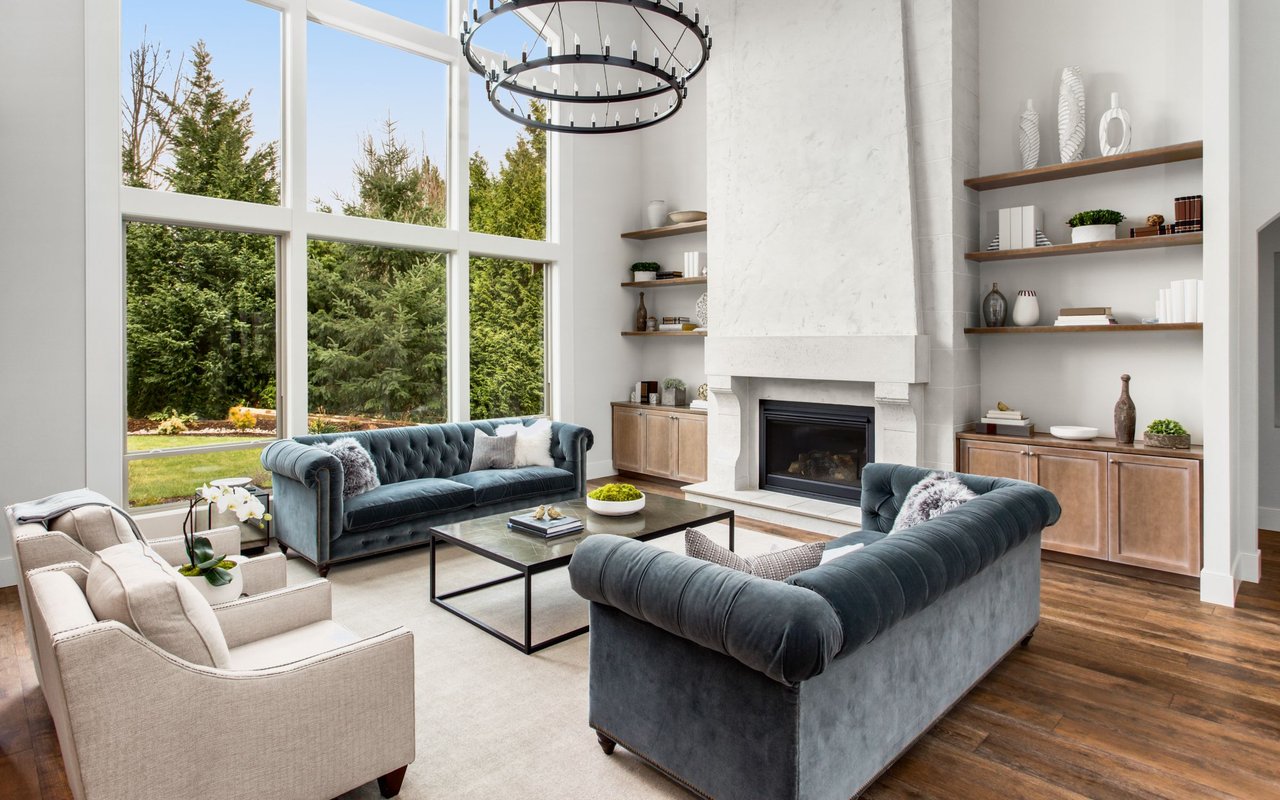
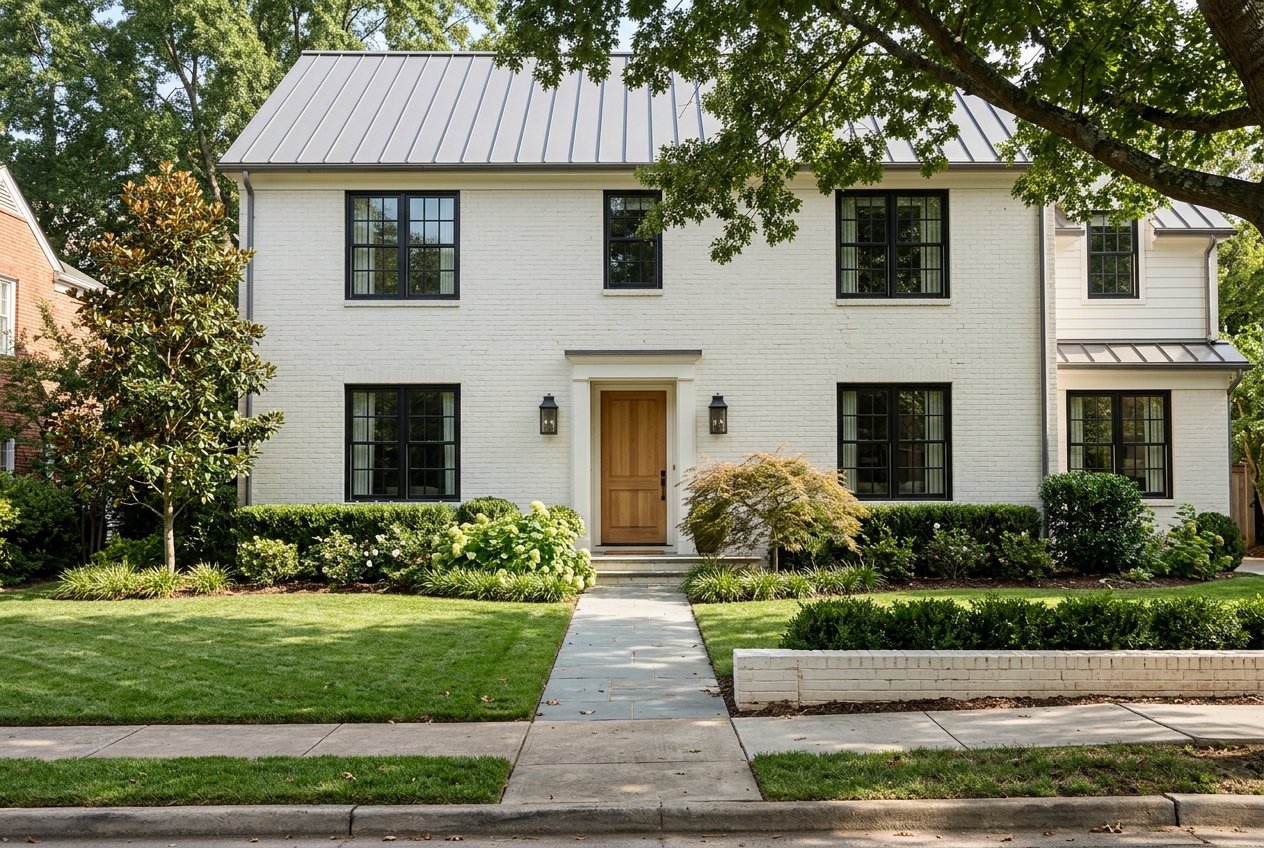
If you are drawn to architecture, Inman Park offers more than one look. The neighborhood is known for Victorians, but the housing mix also includes bungalows, American Four-squares, Classic Revivals, American Small Houses, townhomes, and loft conversions in former industrial buildings.
That variety is a big part of the appeal. You can see ornate historic homes on leafy streets, then find adaptive-reuse lofts and newer infill options nearby. For buyers who care about design, that mix creates more ways to match your taste and lifestyle.
Historic Homes Add Character
Some of Inman Park’s most memorable homes date to the late 1800s. A featured 1898 Victorian on Austin Avenue highlights the details that make the neighborhood so visually rich, including bay windows, fluted columns, turrets, decorative plaster trim, slate roofing, original woodwork, pocket doors, transom windows, and gas lantern hardware.
These details help explain why Inman Park continues to attract people who value craftsmanship and architectural personality. If you love homes with texture, proportion, and original materials, this neighborhood gives you plenty to notice.
Green Space Was Part of the Plan
Inman Park’s beauty is not just about houses. Springvale Park, established in 1890 by Joel Hurt as a centerpiece for the neighborhood, reflects how green space was part of the original vision.
That planning decision still matters today. Mature trees, park views, and a softer streetscape help create the relaxed, porch-forward atmosphere many buyers want when they picture intown living.
The BeltLine Shapes Daily Life
The Eastside Trail is one of the clearest reasons Inman Park stays high on buyers’ lists. As the first finished section of the Atlanta BeltLine, it runs from the tip of Piedmont Park to Reynoldstown, and Inman Park is one of the neighborhoods along the trail.
For you, that can mean a more connected daily routine. Whether you like to walk, bike, meet friends for dinner, or reach nearby destinations without always getting in the car, the trail adds real convenience.
Easy Access to Key Destinations
Living near the Eastside Trail puts you close to some of Atlanta’s best-known destination areas. BeltLine materials identify Krog Street Market as being in Inman Park along the Eastside Trail, located in the former Atlanta Stove Works factory site.
The same corridor includes the Krog Tunnel, murals, and other art installations, which add visual energy to everyday outings. BeltLine information also highlights walk-up access to Ponce City Market, showing how the trail supports a broader intown lifestyle network.
Walkability Has Real Depth Here
Walkability in Inman Park is not just about one or two nearby spots. BeltLine reports that there are about 6,000 businesses within a half mile of the BeltLine, which helps show how much retail and restaurant density surrounds the area.
That kind of access can change how you use your neighborhood. Instead of planning every errand or social stop as a separate trip, you may find that more of your day-to-day activity happens close to home.
Dining Is Part of the Neighborhood Identity
For many people, Inman Park’s food scene is part of what makes the neighborhood feel alive. Krog Street Market is one of the strongest lifestyle anchors because it combines food, shopping, and a communal dining hall in a walkable setting.
That setup works well if you want flexibility. You can stop in for a casual meal, meet friends, or build a regular routine around places that feel social and easy to reach.
A Mix of Everyday and Destination Dining
BeltLine also points to nearby dining examples such as Barcelona Wine Bar, just off the Eastside Trail in Inman Park, and Ticonderoga Club inside Krog Street Market. Together, spots like these help reinforce the neighborhood’s balance of daily convenience and destination appeal.
For buyers, that often matters more than having one headline restaurant. What makes Inman Park compelling is the ability to step into a neighborhood rhythm where dining, walking, and gathering all overlap.
Transit Adds Flexibility
If you want intown access with transit options, Inman Park offers another practical advantage. MARTA’s Inman Park/Reynoldstown station serves the Blue and Green lines and includes 366 free daily parking spaces, bus connections, and nearby Zipcars.
MARTA also notes that Little 5 Points is reachable by walking through the park or by bus. That can give you more options for commuting, meeting friends, or navigating the city without relying on a car for every trip.
Community Life Stays Visible
One reason Inman Park feels so established is that its community life is easy to see. The neighborhood’s biggest recurring event is the Inman Park Festival and Tour of Homes, held on the last full weekend in April.
Festival materials describe it as Atlanta’s largest all-volunteer festival, with music, kids activities, a Tour of Homes, a parade, and an artists’ market. The neighborhood association says it brings thousands to the area for food, music, and historic-home tours.
Preservation Is Still Part of the Story
The Tour of Homes began in 1972, when residents opened restored homes to show that the neighborhood was worth reinvestment. That origin story says a lot about Inman Park today.
This is a neighborhood where preservation and everyday life still work together. Current tour materials note that the stops are compact and walkable and continue to showcase historic homes, community parks, and gathering spaces.
What Buyers Should Know About Historic Review
If you are considering a historic property in Inman Park, it is worth understanding the review process before you make renovation plans. The City of Atlanta zoning list labels Inman Park as HD-20L.
The city also states that exterior work in historic districts may require a Certificate of Appropriateness and review through the Historic Preservation Studio. For buyers who value original architecture, that oversight can be part of what helps protect the neighborhood’s character over time.
Is Inman Park the Right Fit for You?
Inman Park tends to stand out for buyers who want design, walkability, and neighborhood energy in one place. It offers architecture with real range, green space rooted in the original plan, and BeltLine access that supports daily life.
It may be especially appealing if you want a home with personality and a neighborhood that feels active without losing its historic identity. From Victorian homes and bungalows to loft conversions and townhomes, the area offers several ways to live intown while staying connected to restaurants, parks, transit, and a strong sense of place.
If you are exploring Inman Park or thinking about how a design-forward home fits your next move, Neil Hediger Real Estate can help you navigate the neighborhood with a thoughtful, local perspective.
FAQs
What makes Inman Park different from other intown Atlanta neighborhoods?
- Inman Park combines historic design, curved streets, generous lots, green space, BeltLine access, destination dining, and a visible community calendar in one neighborhood about two miles east of downtown.
What types of homes can you find in Inman Park?
- Inman Park includes Victorians, bungalows, American Four-squares, Classic Revivals, American Small Houses, townhomes, and loft conversions in former industrial buildings.
How does the Atlanta BeltLine affect daily life in Inman Park?
- The Eastside Trail runs through the area and connects Inman Park to places like Krog Street Market, public art along the corridor, and walk-up access to Ponce City Market.
What dining options shape the Inman Park lifestyle?
- Krog Street Market is a major anchor for food and shopping, and BeltLine materials also highlight nearby spots such as Barcelona Wine Bar and Ticonderoga Club.
What should buyers know about renovating a home in Inman Park?
- Because Inman Park is labeled HD-20L by the City of Atlanta, some exterior work in the historic district may require a Certificate of Appropriateness and review through the Historic Preservation Studio.
What community events define life in Inman Park?
- The Inman Park Festival and Tour of Homes, held on the last full weekend in April, is a major annual event featuring music, a parade, kids activities, an artists’ market, and historic-home tours.