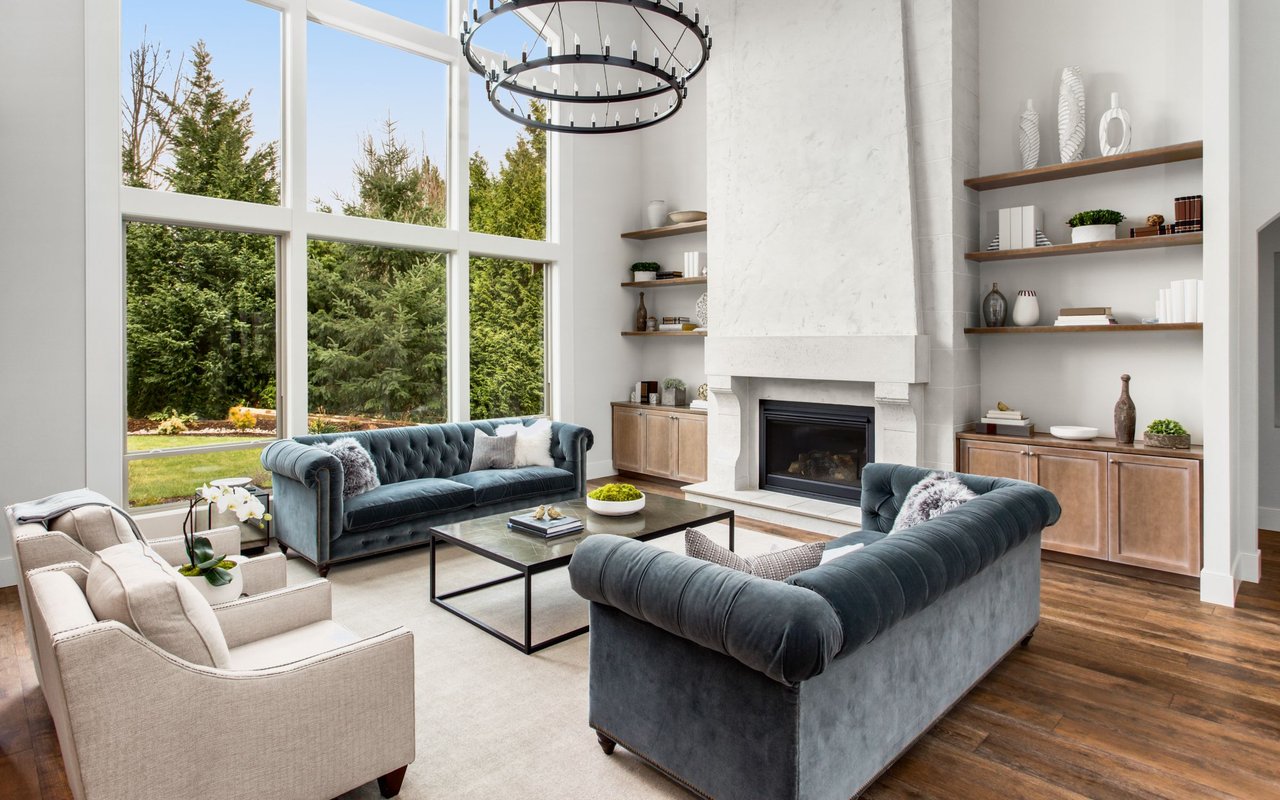
In Druid Hills, small design choices make a big impression. If you are preparing to sell or weighing an offer, you want to honor your home’s character while delivering the comfort today’s buyers expect. This guide outlines the design details that consistently attract attention in Druid Hills and how to update wisely without losing authenticity. You will also find practical tips on approvals, budgets, and market-friendly improvements. Let’s dive in.
Why Druid Hills design matters
Druid Hills was planned to feel like a park, with curving roads, long sightlines, and a mature tree canopy. Many homes date from the late 19th and early 20th centuries and are recognized for their significance at the national level. Buyers come for this setting and the intact character that sets the neighborhood apart.
Preserving defining features pays off. When original porches, millwork, windows, or proportions are lost, buyers often feel the house has drifted from its roots. Keeping these elements intact helps protect value and strengthens buyer confidence.
Exterior details buyers love
- Brick and masonry: Original brick with thoughtful details like soldier courses, lintels, and stoops reads as quality. Clean, well-matched repointing stands out.
- Roof form and eaves: Original roof shapes and materials matter. Slate or historically appropriate shingles and exposed rafter tails on Craftsman homes are prized.
- Porches and entries: Full or partial front porches, classical columns, period doors, and sidelights set the tone. Keep rail profiles and column proportions consistent with the style.
- Windows and proportion: Wood windows with true divided lights or multi-pane sashes are preferred. Balanced fenestration on Colonial and Classical homes is key.
- Historic hardware and lighting: Period-style lanterns, house numbers, and doorknockers provide subtle authenticity.
- Garages and drives: Set garages back and keep driveways secondary to the landscape. Protect the front yard and tree canopy.
Interior architecture buyers value
- Millwork and trim: Crown molding, casings, baseboards, and wainscoting add depth. Repair rather than replace where possible.
- Built-ins and mantels: Original bookcases and fireplace surrounds anchor rooms and signal care.
- Hardwood floors and stairs: Preserve original floors and balustrades. Refinish to highlight grain and color appropriate to the era.
- Room flow: Formal entry halls and living/dining rooms with original proportions feel right for the architecture. Maintain the rhythm of openings.
- Plaster and ceilings: Where intact, plaster walls and decorative medallions or cornices are a major plus.
Kitchens that fit the era
Buyers favor kitchens that function beautifully and respect the home’s scale.
- Footprint: Keep the layout where you can. Moving plumbing often adds cost and risks damage to historic fabric.
- Cabinetry: Choose inset or recessed-panel doors with simple profiles. Painted finishes in off-white, warm gray, or muted greens fit most Druid Hills styles.
- Counters: Honed stone, soapstone, or butcher block reads as classic. You can mix durable surfaces for work zones with more decorative stone at the perimeter.
- Tile: Subway tile or small-format options like hex and penny tile suit period kitchens. Use clean grout lines for a timeless look.
- Appliances and lighting: Use stainless or panel-ready appliances to preserve sightlines. Layer recessed lighting with period-appropriate pendants and sconces.
- Islands: Right-size the island to keep historic circulation clear and proportions balanced.
Bathrooms with classic charm
- Layout: Retain or replicate original tub and shower footprints when possible.
- Tile and fixtures: Classic subway walls with hex or small-format mosaic floors work well. Pedestal sinks or period-style vanities and chrome or aged-bronze finishes feel at home.
- Ventilation and light: Integrate modern ventilation discreetly to protect finishes. Use efficient fixtures and add sconces for flattering light.
Systems buyers expect
Comfort and safety are nonnegotiable. The goal is to modernize without visual disruption.
- HVAC, electrical, plumbing: Update to current standards. Route ducts in attic or crawl spaces and hide wiring in chases or behind trim where feasible.
- Insulation and moisture control: Prioritize attic and crawlspace insulation and ensure proper ventilation. Use wall-insulation methods compatible with masonry or balloon-framed walls to avoid trapping moisture.
- Kitchens and baths: Present them as tasteful and functional rather than starkly contemporary. Balance modern performance with sympathetic materials.
Windows, doors, and millwork
- Windows: Repair sash and frames and add storm windows, interior or exterior, to boost efficiency while retaining original profiles. Replace only when repair is not feasible and match muntin patterns and profiles.
- Doors and trim: Refinish original doors. If replacement is required, match panel profiles, proportions, and hardware scale.
- Paint and finishes: Choose historically appropriate color palettes and sheen. When in doubt, consult local references for guidance.
Landscape features that sell
The landscape is part of the architecture in Druid Hills.
- Mature trees: Protect canopy and specimen trees that provide shade, scale, and privacy.
- Hardscape: Use materials that feel native to the home, like stone, brick, or bluestone. Repair historic walls and steps rather than replacing.
- Planting design: Complement the home’s style with native and low-maintenance beds. Keep front-yard hardscape subtle and secondary.
- Site lighting and irrigation: Keep lighting low and warm. Integrate irrigation discreetly.
Renovation principles that work here
- Preserve defining features: Porches, millwork, mantels, windows, and proportion are the soul of the home.
- Repair before replace: Original materials often outlast modern substitutes and buyers value authenticity.
- Minimal, reversible changes: New work should be compatible and ideally reversible.
- Respect scale and materials: Match profiles, dimensions, and finishes where visible to the street or primary interiors.
Regulations and approvals to check
- National recognition: National Register listing acknowledges significance. It does not restrict private owners on its own. Local rules may apply.
- Local jurisdictions: Parts of Druid Hills lie in unincorporated DeKalb County and the City of Atlanta. Verify if your property is in a local historic district or under design review.
- Easements and covenants: Some homes may have preservation easements that limit changes. Review deed records and consult local preservation groups.
- Permits: Structural, mechanical, electrical, and plumbing work typically requires permits. Plan to comply with code even in historic houses.
- Who to contact: The Georgia Historic Preservation Division, DeKalb County Planning and Sustainability, City of Atlanta planning and building offices, and local civic or historic associations can provide guidance.
Cost and value priorities
- High-impact updates: Kitchens and bathrooms consistently influence buyer decisions in industry research. The exact return varies by scope and quality.
- Systems first: Reliable HVAC, updated electrical, and sound plumbing reduce buyer friction and often speed decisions.
- Historic premiums: Specialized restoration, custom-milled trim, and masonry matching can cost more than basic replacements. The authenticity dividend can be worth it.
- Smart cosmetics: Fresh paint, thoughtful exterior lighting, tuned-up landscaping, and clean, intact floors deliver strong first impressions for a manageable cost.
Seller prep checklist
- Confirm whether your property requires local historic review or approvals.
- Address roof, foundation, HVAC, electrical, and plumbing before cosmetics.
- Preserve and repair original millwork, mantels, floors, and windows.
- Update kitchens for function and fit the era with sympathetic cabinetry and surfaces.
- Modernize bathrooms with classic tile, period-style fixtures, and proper ventilation.
- Protect mature trees and repair historic walls and paths. Use complementary plantings.
- Budget for specialized trades and secure multiple bids for restoration work.
- Photograph original features before work. Retain removed elements for possible reuse or buyer review.
How we help
You do not have to navigate this alone. A design-led plan can unlock value while protecting what makes your home special. With curated staging, premium visual presentation, and Compass-backed options like Concierge for select pre-listing improvements, you can present a Druid Hills home that feels both authentic and move-in ready.
Ready to talk strategy for your home? Connect with Neil Hediger Real Estate to create a tailored plan that honors your home’s character and attracts the right buyers.
FAQs
What defines Druid Hills’ historic character?
- A planned, park-like layout with curving roads and mature canopy, plus late 19th- and early 20th-century homes in styles like Colonial Revival, Tudor Revival, and Craftsman.
Do I need approval for exterior changes in Druid Hills?
- It depends on location. National listing is honorary, but local historic districts, easements, or ordinances in DeKalb County or the City of Atlanta may require review and permits.
Are original wood windows worth keeping?
- Often yes. Repairing and weatherstripping original sash and adding storms can improve efficiency while preserving profiles and muntins that buyers value.
What kitchen choices appeal to Druid Hills buyers?
- Inset cabinetry, honed stone or soapstone, subway or small-format tile, panel-ready appliances, and islands scaled to the room feel true to the home’s era.
Which pre-list updates add the most value in Druid Hills?
- Reliable systems, a well-executed kitchen refresh, clean period millwork and floors, and tidy landscape and lighting improvements tend to have the most market impact.